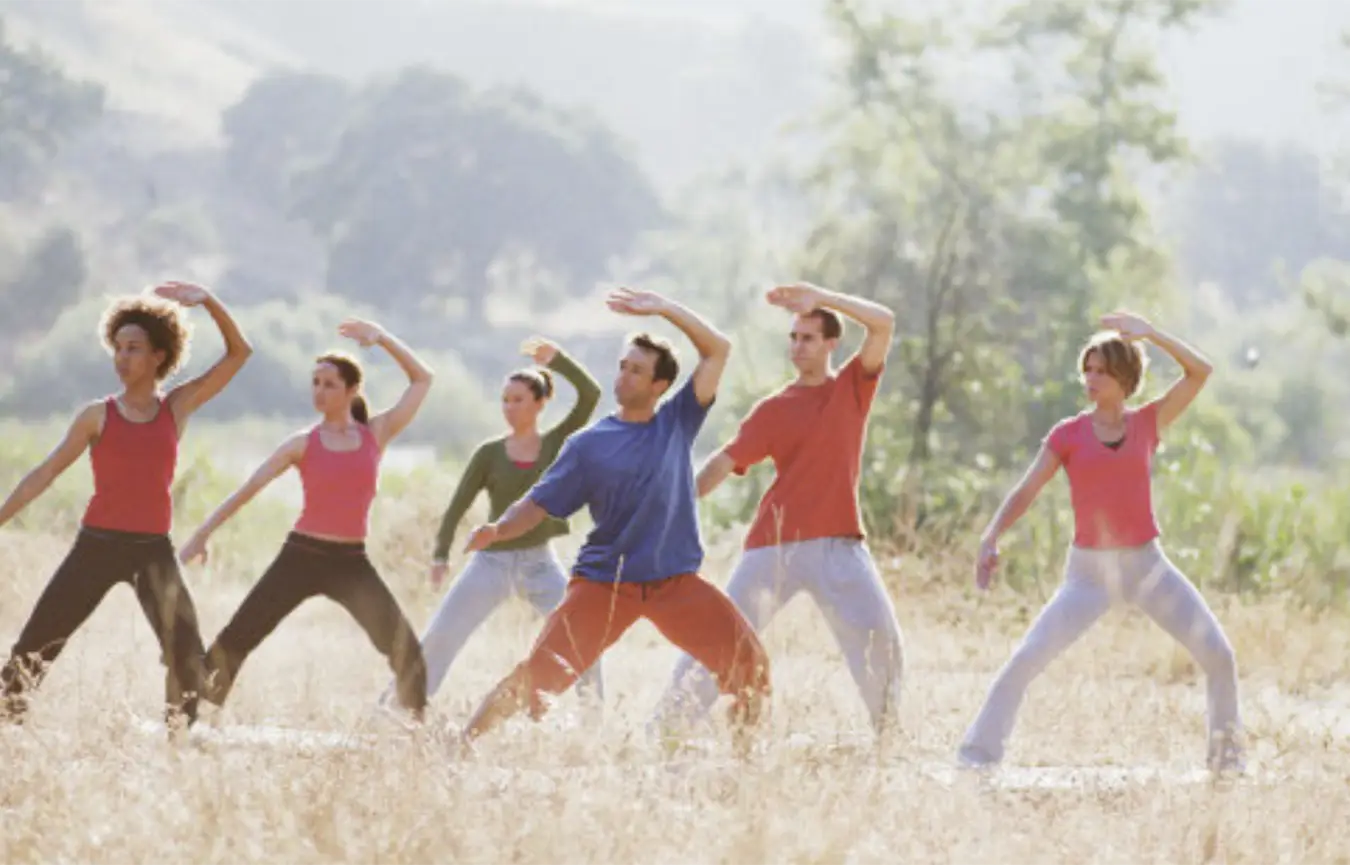
Tai Chi is ancient, but it remains relevant because it addresses modern problems directly: stress, poor balance, stiffness, mental overload, and the feeling of living too far forward in the head.
What makes it unusual is that it does this without force. Tai Chi combines slower movement, easier breathing, and a more connected relationship with posture and gravity. For many people, that becomes a practical antidote to high-speed living.
Benefits for body and mind
Tai Chi is widely valued for helping with balance, flexibility, leg strength, and coordination. At the same time, it can calm the mind, reduce stress, and improve the quality of attention. That combination is why it is often described as both exercise and meditation in motion.
Why it supports ageing well
Healthy ageing is not only about staying strong. It is also about staying adaptable, coordinated, and steady. Tai Chi supports these qualities through repeated weight shifting, slower transitions, and awareness of alignment.
Because it is low impact, it can also remain available to people who no longer want hard-impact exercise or who need something more forgiving on the joints.
A practice of slowing down
Tai Chi teaches something that many people have lost: how to slow down without becoming dull. You relax without collapsing. You move without rushing. You pay attention without straining. That quality carries beyond class into the rest of life.
Continue with The Benefits of Tai Chi, read What Is Tai Chi?, or join Tai Chi classes in Sedgefield.