Learn Qigong
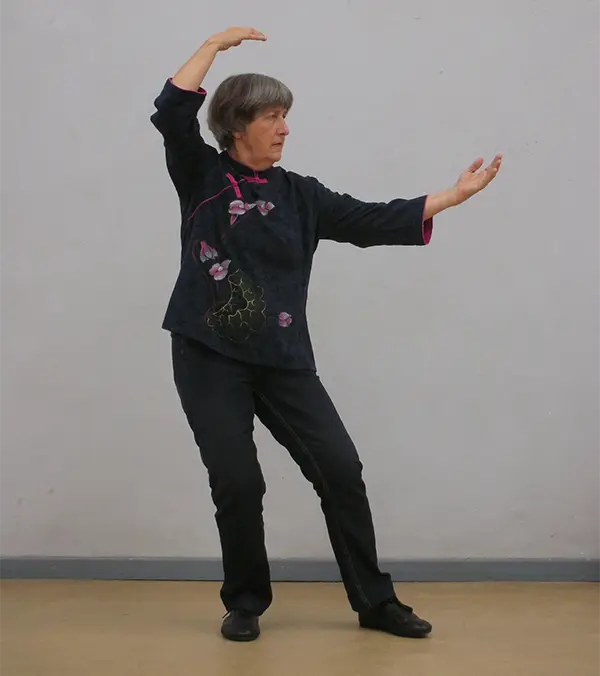
Learn Qi Gong. It's a practice for people of all ages and fitness levels. The movements of Qi Gong are gentle, flowing, mindful, and coordinated with the breath.
Qigong is a 4,000-year-old traditional Chinese medicine (TCM) practice that blends intentional movement, meditation and breathing practices. It’s based on the theoretical principle that we all have qi (pronounced “chi”), an energetic life force, flowing through our bodies. The belief is that qigong reduces stagnation of that energy, allowing the body to better heal itself. The literal translation of qigong is “to work with qi.
When you watch Qi Gong being practised, it looks graceful and effortless, yet it emerges from awareness, presence, and consistent practice.
When practised for health and well-being, the mindful movements of Qi Gong provide three essential benefits:
- Qi Gong supports physical health, balance, and flexibility.
- Qi Gong calms the nervous system and reduces stress.
- Qi Gong cultivates chi — life-force energy — through movement and breath.
Harvard Health published – The health benefits of Qigong
Practising 15–30 minutes a day can bring profound health benefits. The gentle, low-impact movements are far less stressful on the body than high-impact sports, making Qi Gong suitable for virtually anyone regardless of age or current state of health.
“Nature does not hurry, yet everything is accomplished.” – Lao Tzu
Frequently Asked Questions
Where can I learn Qi Gong in Sedgefield, Garden Route?
You can learn Qi Gong with James Godwin at Dantian in Sedgefield, Garden Route, South Africa.
Is Qi Gong suitable for beginners and all ages?
Yes. Qi Gong uses gentle, low-impact movement and breath work suitable for beginners and most fitness levels.
What are the main benefits of Qi Gong?
Qi Gong can support balance, reduce stress, and help cultivate life-force energy through mindful movement and breath.

Learn Tai Chi or Qigong
Tai Chi Offers Huge Health Benefits – a growing body of carefully conducted research is building a compelling case for Tai Chi as an adjunct to standard medical treatment for the prevention and rehabilitation of many conditions commonly associated with age.